
Beyond the Hype: How 3D Printing is Becoming a Mainstream Manufacturing Standard by 2025
Explore how 3D printing is evolving from a niche technology to a mainstream manufacturing standard by 2025, transforming production and supply chains.
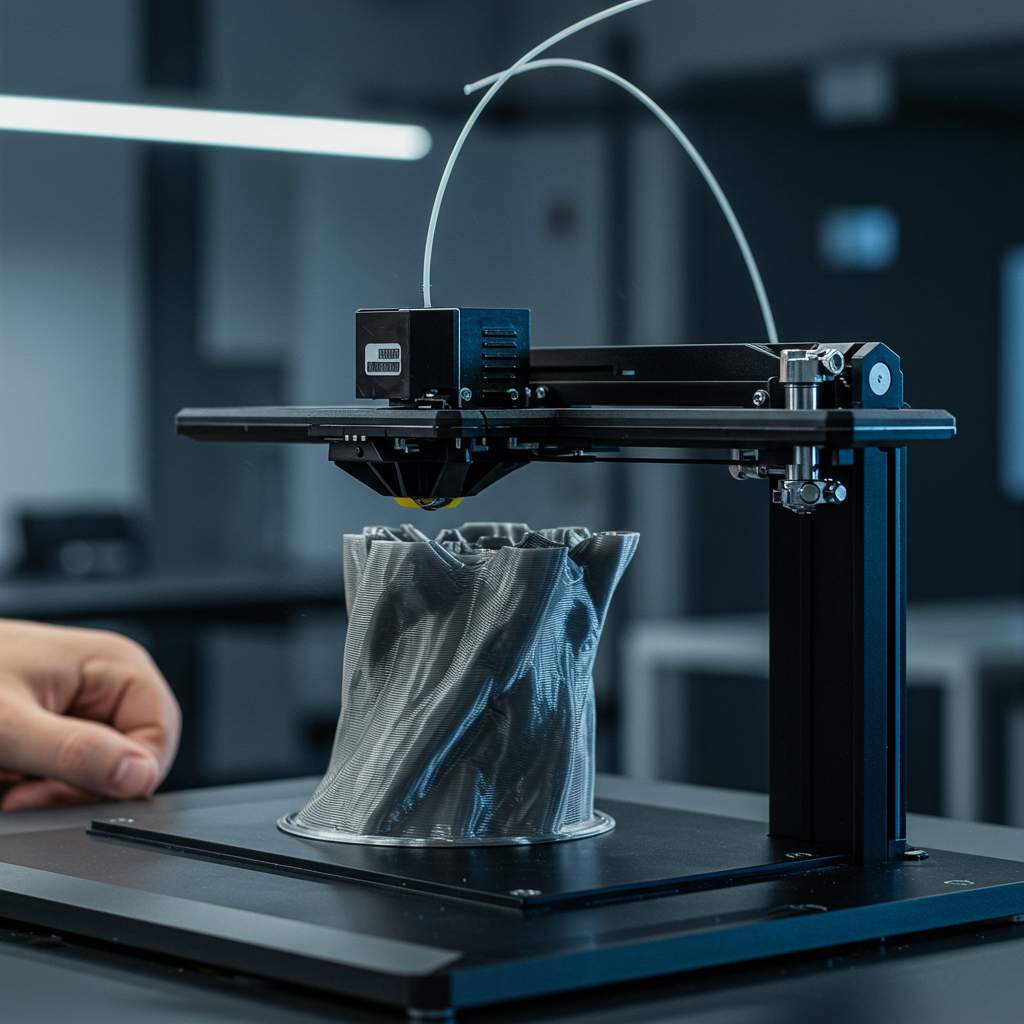
The landscape of manufacturing is undergoing a profound transformation, and at its heart lies the quiet but powerful evolution of 3D printing. Once a futuristic concept relegated to rapid prototyping labs and niche industries, additive manufacturing is rapidly shedding its 'novelty' status. By 2025, we're witnessing its undeniable ascent as a standard, indispensable technology, seamlessly integrating into production lines and supply chains worldwide. This isn't just about faster prototypes; it's about a fundamental shift in how products are designed, produced, and delivered.
This mainstreaming is driven by several converging factors: significant advancements in material science, making prints more durable and versatile; the dramatic reduction in hardware costs, democratizing access; and the development of user-friendly software that lowers the barrier to entry. From bespoke medical implants to on-demand spare parts for consumer electronics, 3D printing offers unparalleled agility and customization. Businesses, both large and small, are leveraging this technology to optimize inventory, reduce waste, and bring innovative products to market with unprecedented speed.
The impact extends beyond industrial giants. Small and medium-sized enterprises (SMEs) are finding new avenues for localized production, fostering regional economies and reducing reliance on complex global supply chains. Educational institutions are integrating 3D printing into curricula, preparing a new generation of designers and engineers fluent in additive manufacturing principles. This widespread adoption signals a future where the ability to 'print' a component is as commonplace and expected as traditional machining or injection molding, empowering innovation across every sector imaginable.
However, the path to complete standardization isn't without its hurdles. While accessibility has improved, the true potential of 3D printing is still bottlenecked by the cost and availability of advanced, high-performance materials. Furthermore, a significant skills gap persists, requiring substantial investment in training and education to fully harness the technology's capabilities. The promise of ubiquitous 3D printing is bright, but overcoming these material and human capital challenges will be crucial for its ultimate, widespread integration.