
The Material Revolution: How Advanced Filaments Are Shaping 3D Printing in 2025
Explore the 2025 trend of advanced materials in 3D printing, from carbon fiber to metal alloys, transforming industries and enabling new design possibilities.
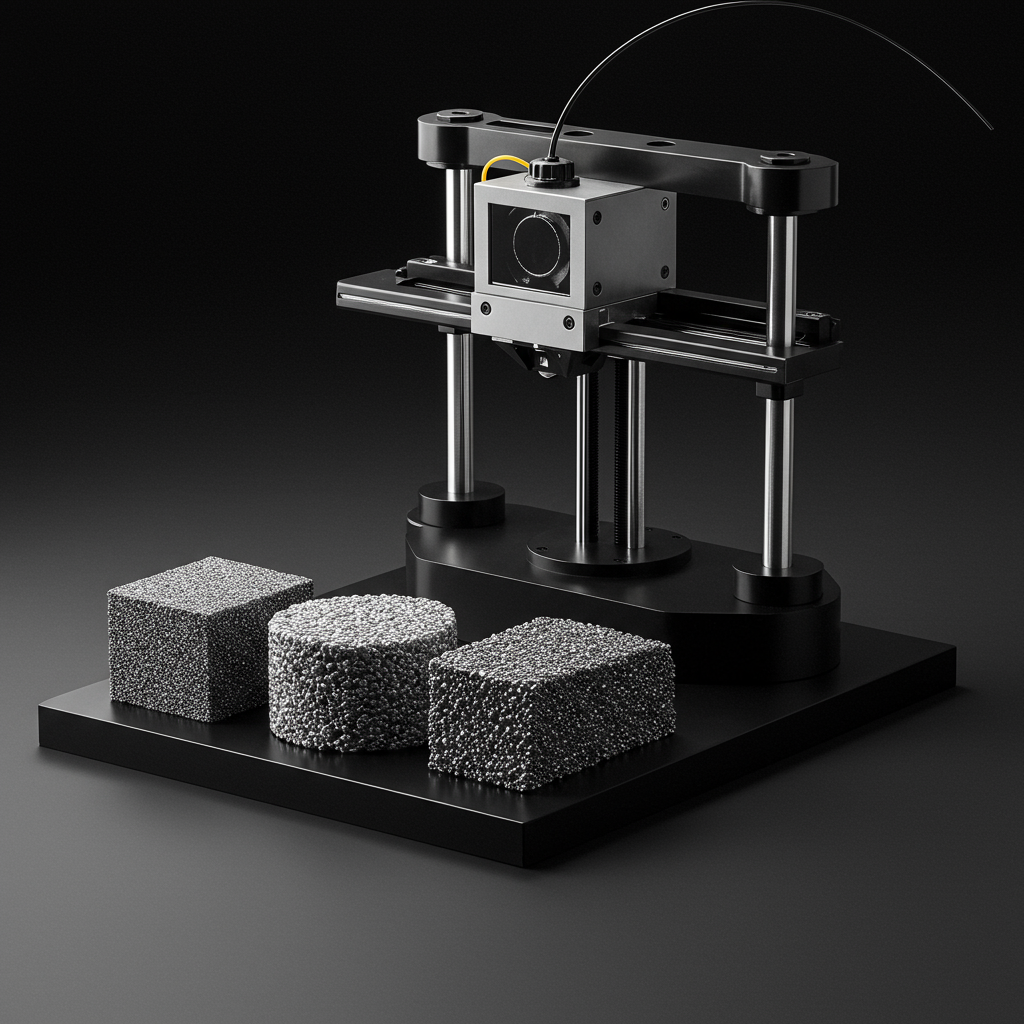
The landscape of 3D printing is undergoing a profound transformation, and as we look towards 2025, one trend stands out above the rest: the relentless innovation in advanced materials. Beyond the familiar plastics, a new era is dawning where industrial-grade applications are no longer a futuristic dream but a tangible reality, driven by breakthroughs in composites, high-performance polymers, and sophisticated metal alloys. This shift is not just about printing faster or cheaper; it's about printing stronger, lighter, and smarter, pushing the boundaries of what's possible in manufacturing and design.
Imagine components that are as strong as steel but significantly lighter, or parts that can withstand extreme temperatures and corrosive environments. This is precisely what advanced materials like carbon-fiber composites, PEEK, and specialized metal powders are bringing to the forefront. Carbon-fiber infused filaments are enabling the creation of incredibly robust and lightweight structures, ideal for aerospace and automotive industries. High-performance polymers such as PEEK and PEKK offer unparalleled heat and chemical resistance, opening doors for demanding medical and industrial applications. Meanwhile, advancements in metal additive manufacturing are allowing for the direct production of complex, high-integrity parts from titanium, aluminum, and stainless steel, revolutionizing everything from surgical implants to rocket engines.
The impact of these material innovations extends far beyond mere component creation. They are catalyzing a paradigm shift in product development, allowing engineers and designers unprecedented freedom to optimize for performance, weight, and functionality without the traditional constraints of conventional manufacturing. This means faster prototyping, reduced waste, and the ability to produce highly customized, on-demand parts that were previously impossible or prohibitively expensive. From bespoke medical devices tailored to individual patients to lightweight drone components that enhance flight efficiency, the material revolution is unlocking new frontiers across diverse sectors, promising a future where design is truly unchained.
However, while the promise of advanced 3D printing materials is immense, it's crucial to acknowledge the inherent challenges. The complexity and cost associated with processing these high-performance materials often require specialized, expensive equipment and a steep learning curve for operators. Furthermore, ensuring consistent material quality, predicting long-term performance, and establishing robust certification standards for critical applications remain significant hurdles. The accessibility of these cutting-edge materials and technologies is still limited, potentially creating a divide between large corporations and smaller innovators, suggesting that widespread adoption across all scales of manufacturing may still be some years away.