
The Material Revolution: Sustainable & Smart 3D Printing in 2025
Explore the 2025 revolution in 3D printing, driven by sustainable bio-polymers and smart materials, redefining manufacturing with eco-conscious innovation.
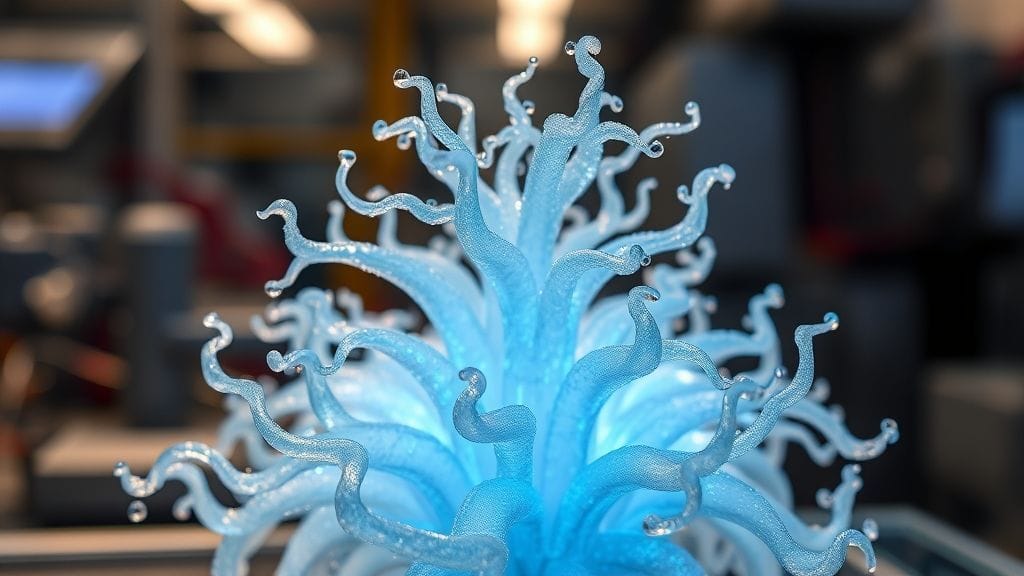
The Dawn of Eco-Conscious Fabrication
The year 2025 marks a pivotal shift in the 3D printing landscape, moving beyond mere rapid prototyping to embrace a profound material revolution. We are witnessing an unprecedented surge in sustainable and smart materials, fundamentally redefining how we conceive and construct. This isn't just an evolution; it's a paradigm shift, driven by urgent environmental imperatives and the relentless pursuit of performance.
Bio-Polymers and Recycled Feedstocks Take Center Stage
The era of petroleum-dependent plastics as the sole bedrock of additive manufacturing is rapidly receding. Forward-thinking innovators are now championing bio-polymers derived from renewable resources like corn starch and algae, alongside sophisticated recycled feedstocks. This transition isn't merely about reducing waste; it's about closing the loop, creating a circular economy where discarded materials are reborn as high-value, functional components. Imagine aerospace parts forged from reclaimed industrial polymers, or medical implants crafted from biodegradable composites – the implications are staggering.
Intelligent Materials: Beyond Static Structures
Beyond sustainability, the integration of "smart" materials is propelling 3D printing into an entirely new dimension. We're talking about materials embedded with sensors, self-healing properties, or even those capable of changing their form or function in response to external stimuli. Think about architectural elements that adapt to temperature fluctuations, or prosthetics that can monitor vital signs. This fusion of material science and embedded intelligence is unlocking applications previously confined to science fiction, promising unprecedented levels of adaptability and resilience in manufactured goods.
The Counterpoint: Scaling Challenges and Economic Realities
While the promise of sustainable and smart 3D printing is immense, it's crucial to acknowledge the formidable challenges that lie ahead. The scalability of these advanced material production processes, coupled with their often higher initial costs, presents a significant hurdle for widespread industrial adoption. Furthermore, the standardization and regulatory frameworks for these novel materials are still in their nascent stages, potentially slowing market penetration. The vision is clear, but the path to universal implementation remains fraught with economic and logistical complexities.