
The AI Revolution: How Intelligent Systems are Redefining 3D Printing
Explore how AI is transforming 3D printing, from generative design to predictive maintenance, and discover the profound impact on manufacturing.
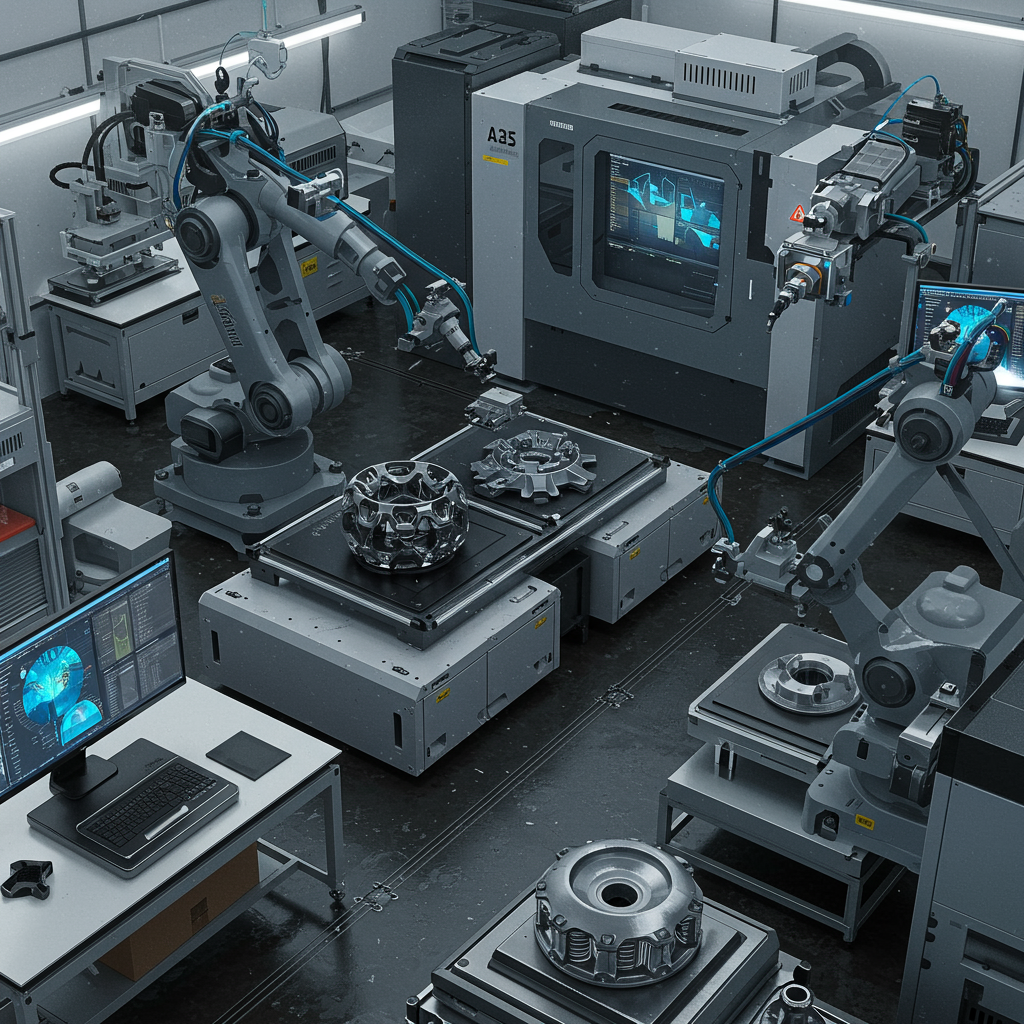
The world of 3D printing is constantly evolving, but few trends hold as much transformative power as the integration of Artificial Intelligence. We're moving beyond simple automation; AI is ushering in an era where 3D printers don't just execute commands, but intelligently design, optimize, and even predict outcomes. This synergy is unlocking unprecedented levels of efficiency, complexity, and accessibility, pushing the boundaries of what's possible in additive manufacturing.
Imagine a future where a designer simply inputs functional requirements, and AI generates a multitude of optimized, lightweight, and structurally sound designs – a process known as generative design. Beyond creation, AI algorithms are now being deployed for real-time quality control, identifying microscopic flaws during the printing process, and even predicting potential machine failures before they occur. This predictive maintenance minimizes downtime and material waste, ensuring a smoother, more reliable production line, from intricate medical implants to robust aerospace components.
The benefits are profound. AI-driven 3D printing accelerates product development cycles, dramatically reduces material consumption through intelligent infill patterns and topology optimization, and enables the creation of geometries previously impossible for human designers. It democratizes complex manufacturing, allowing even those without extensive engineering backgrounds to leverage advanced design principles, fostering innovation across industries and empowering a new generation of creators.
However, while the promise of AI in 3D printing is vast, it's crucial to acknowledge the challenges. The initial investment in AI infrastructure and specialized talent can be substantial, potentially creating a barrier for smaller enterprises. Furthermore, concerns about job displacement as AI takes over design and monitoring tasks, alongside the ethical implications of autonomous design, warrant careful consideration. The human element of creativity, critical thinking, and ethical oversight remains irreplaceable, reminding us that technology is a tool to augment, not entirely replace, human ingenuity.