
The Autonomous Revolution: Navigating a World Driven by Smart Systems
Explore the profound impact of autonomous systems on our daily lives, from smart homes to self-driving cars, and consider their future implications.
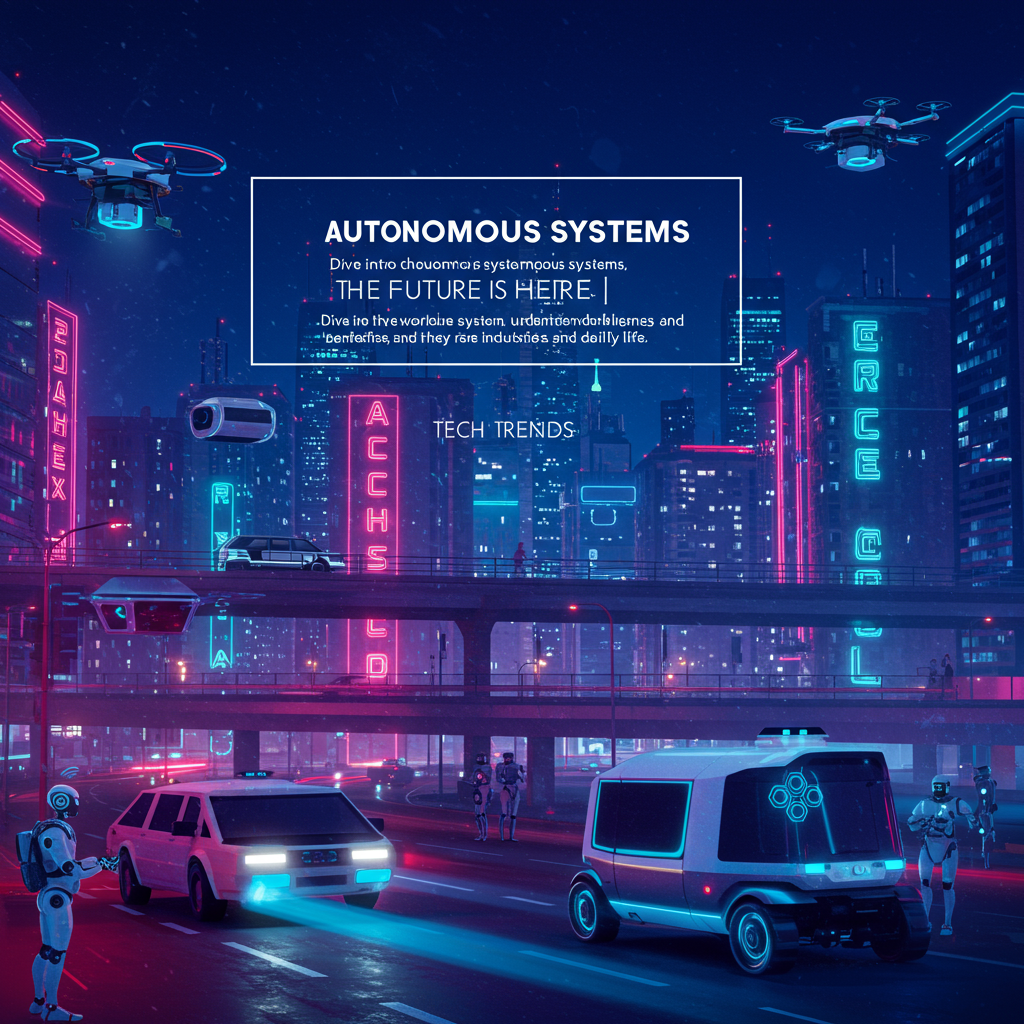
The whispers of tomorrow are growing louder, evolving into the hum of autonomous systems that are rapidly reshaping our world. From the subtle intelligence embedded in our smart devices to the groundbreaking advancements in robotics and artificial intelligence, autonomy is no longer a futuristic concept but a present-day reality. This revolution promises unprecedented efficiency, convenience, and a fundamental shift in how we interact with technology and our environment.
Imagine a city where self-driving vehicles seamlessly navigate traffic, optimizing routes and reducing congestion, or factories where robotic arms perform intricate tasks with precision and tireless dedication. In our homes, AI-powered assistants anticipate our needs, managing everything from lighting to grocery orders. These systems are designed to learn, adapt, and operate with minimal human intervention, freeing up human potential for more creative and complex endeavors. The integration of these intelligent agents into various sectors, from healthcare to logistics, is unlocking new possibilities and redefining what's achievable.
Beyond the immediate applications, the rise of autonomous systems heralds a new era of human-machine collaboration. It challenges us to rethink traditional work structures, educational paradigms, and even ethical frameworks. As these systems become more sophisticated, they offer solutions to some of humanity's most pressing challenges, from sustainable resource management to personalized medicine. The journey into this autonomous future is not just about technological advancement; it's about evolving our societies to harness this power responsibly and equitably.
However, the path to a fully autonomous world is not without its complexities. Concerns around job displacement, data privacy, algorithmic bias, and the potential for over-reliance on machines present significant challenges. Ensuring the ethical development and deployment of autonomous systems, alongside robust regulatory frameworks, will be crucial to mitigating risks and ensuring that this technological leap truly serves humanity's best interests.