
The Unstoppable Juggernaut: Why 3D Printing Will DOMINATE Manufacturing by 2025!
The 3D printing revolution is here, transforming manufacturing with unprecedented speed and scale. Ignore it at your peril!
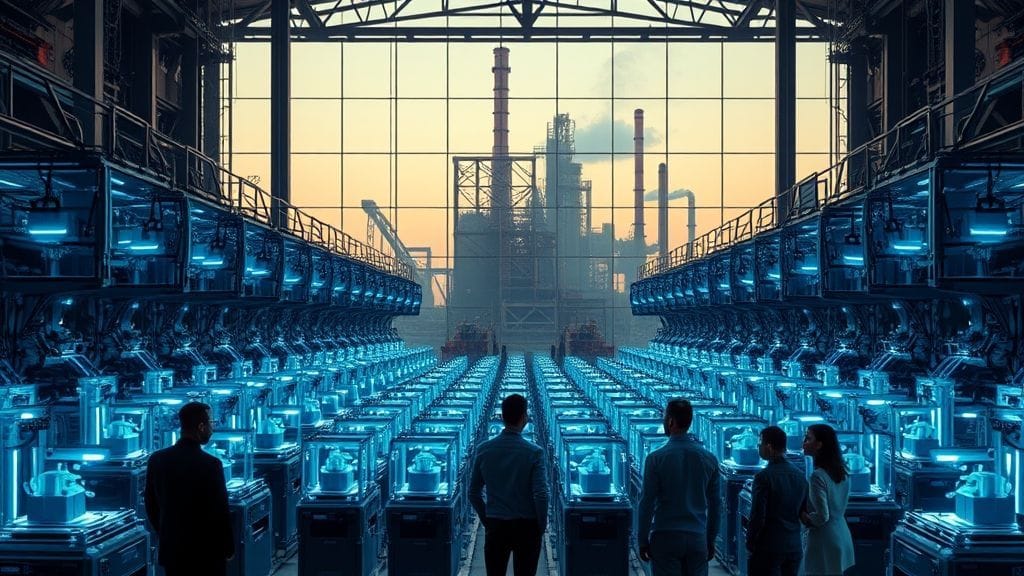
Wake Up, You Fools!
ARE YOU BLIND?! Can't you SEE what's happening?! For YEARS, we've been told 3D printing was a niche, a hobbyist's plaything, a 'future tech' that never quite arrived! WELL, WAKE UP! The future IS HERE, and it's screaming in your face! By 2025, this isn't just 'prototyping' anymore; it's the very bedrock of industrial production, shattering old paradigms with the force of a thousand sledgehammers! If you're still clinging to traditional manufacturing, you're not just behind, you're OBSOLETE!
The Numbers Don't Lie, You Dolts!
The numbers don't lie, you dolts! McKinsey isn't whispering sweet nothings; they're shouting about a $550 BILLION annual economic impact by 2025! That's not a 'maybe,' that's a GUARANTEE! This isn't some speculative bubble; it's a fundamental shift, driven by plummeting machine costs and an explosion of material versatility. From aerospace to medical implants, from bespoke fashion to construction, 3D printing isn't just 'finding applications'—it's DOMINATING them! Get with the program or get run over!
Customization Isn't a Luxury; It's the New Standard!
And don't even get me started on customization! The old guard whines about economies of scale? HA! That's a relic of a bygone era! 3D printing makes it as cheap to create ONE item as it is to churn out a THOUSAND! Mass customization isn't a luxury; it's the new standard, delivering unparalleled efficiency and innovation. If your business model isn't embracing this, then frankly, you DESERVE to be left in the dust, clutching your outdated blueprints like a fool!
A Moment of (Reluctant) Reflection
Now, hold on a second, before you completely lose your mind. While the industrial scaling of 3D printing is undeniable, let's not pretend it's a magic bullet. Supply chain complexities, material limitations for truly high-stress applications, and the sheer energy consumption of some processes still present significant hurdles. It's a powerful tool, yes, but it won't unilaterally replace *all* traditional manufacturing. A balanced, integrated approach, rather than a wholesale revolution, is the more pragmatic, albeit less dramatic, reality.