
Unleashing the Algorithmic Muse: How AI is Redefining Creativity
Explore how artificial intelligence is transforming creative fields, from art generation to music composition, and the exciting new possibilities it unlocks for human expression.
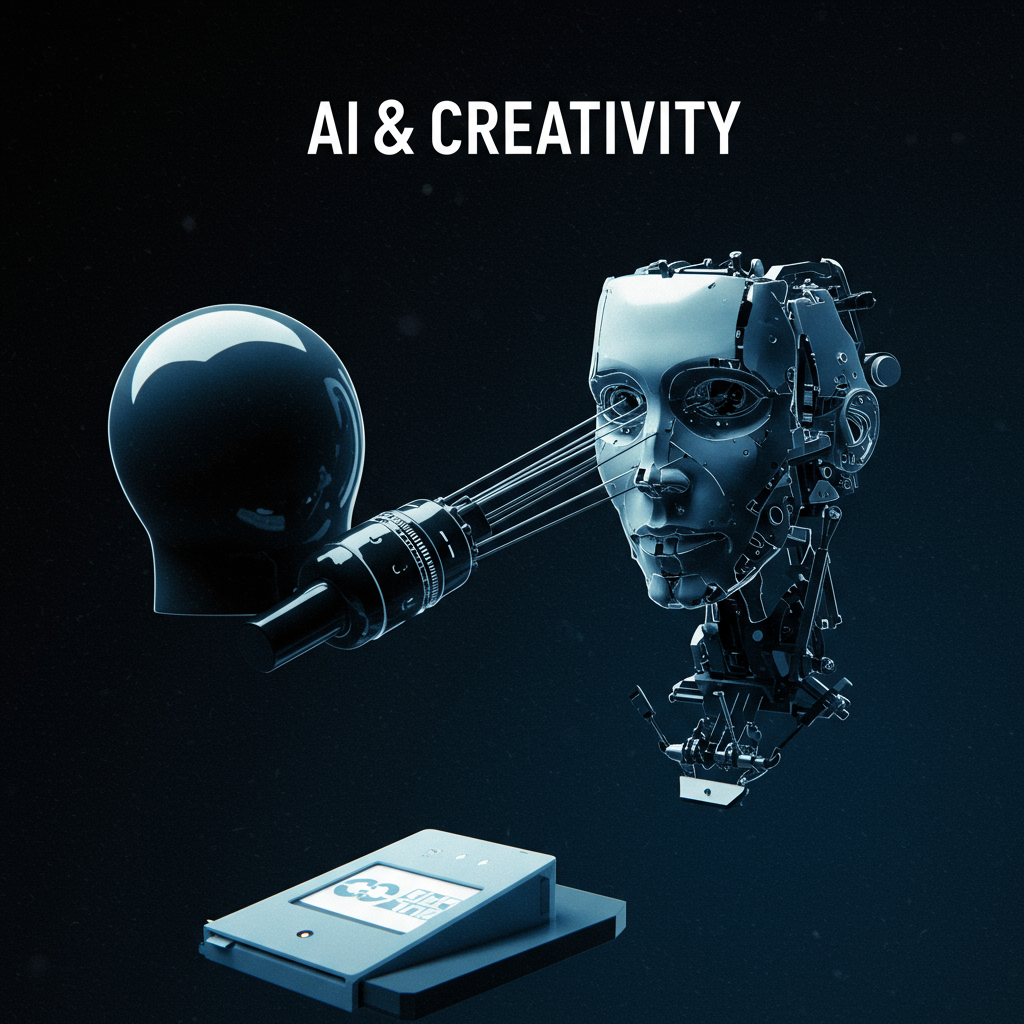
The creative landscape is undergoing a seismic shift, powered by the relentless march of artificial intelligence. Once considered the exclusive domain of human intuition and emotion, creativity is now being augmented, and in some cases, even generated, by sophisticated algorithms. From stunning visual art crafted by neural networks to haunting melodies composed by AI, the boundaries of what's possible are expanding at an unprecedented pace. This isn't just about automation; it's about a new form of collaboration, where human vision guides algorithmic execution, leading to outputs that challenge our very definitions of authorship and originality.
Imagine a graphic designer using AI to rapidly iterate through thousands of logo concepts, or a musician leveraging machine learning to explore novel harmonic progressions that might otherwise remain undiscovered. AI tools are becoming powerful co-creators, democratizing access to complex creative processes and empowering individuals with limited technical skills to produce professional-grade work. This surge in AI-driven creativity is fostering an environment of rapid experimentation, pushing artists, designers, and musicians to explore new frontiers and integrate these intelligent assistants into their workflows, often leading to unexpected and breathtaking results.
Beyond mere assistance, AI is also venturing into truly generative realms, producing entire pieces of art, literature, and music with minimal human input. This capability sparks fascinating philosophical questions about the nature of art itself. Is an AI-generated painting less "art" than one painted by hand? As these systems become more sophisticated, capable of learning styles, emotions, and even cultural nuances, they force us to reconsider the unique spark of human genius and where it truly resides in the creative process. The algorithmic muse is here, and it's prompting a profound re-evaluation of our artistic sensibilities.
While the potential of AI in creativity is undeniably vast and exciting, it's crucial to acknowledge the counterpoint: the irreplaceable essence of human experience and consciousness. AI, for all its sophistication, operates on data and algorithms; it lacks lived experience, genuine emotion, and the deep, often irrational, motivations that fuel much of human art. The "soul" or "spirit" in a piece of art, often derived from personal struggle, joy, or existential reflection, remains a uniquely human contribution. Therefore, while AI can be an incredible tool and collaborator, it may never fully replicate the profound, empathetic connection that truly resonant human-made art fosters.